
One face in every photo
Your character keeps the same face from the first image to the hundredth, in any scene.
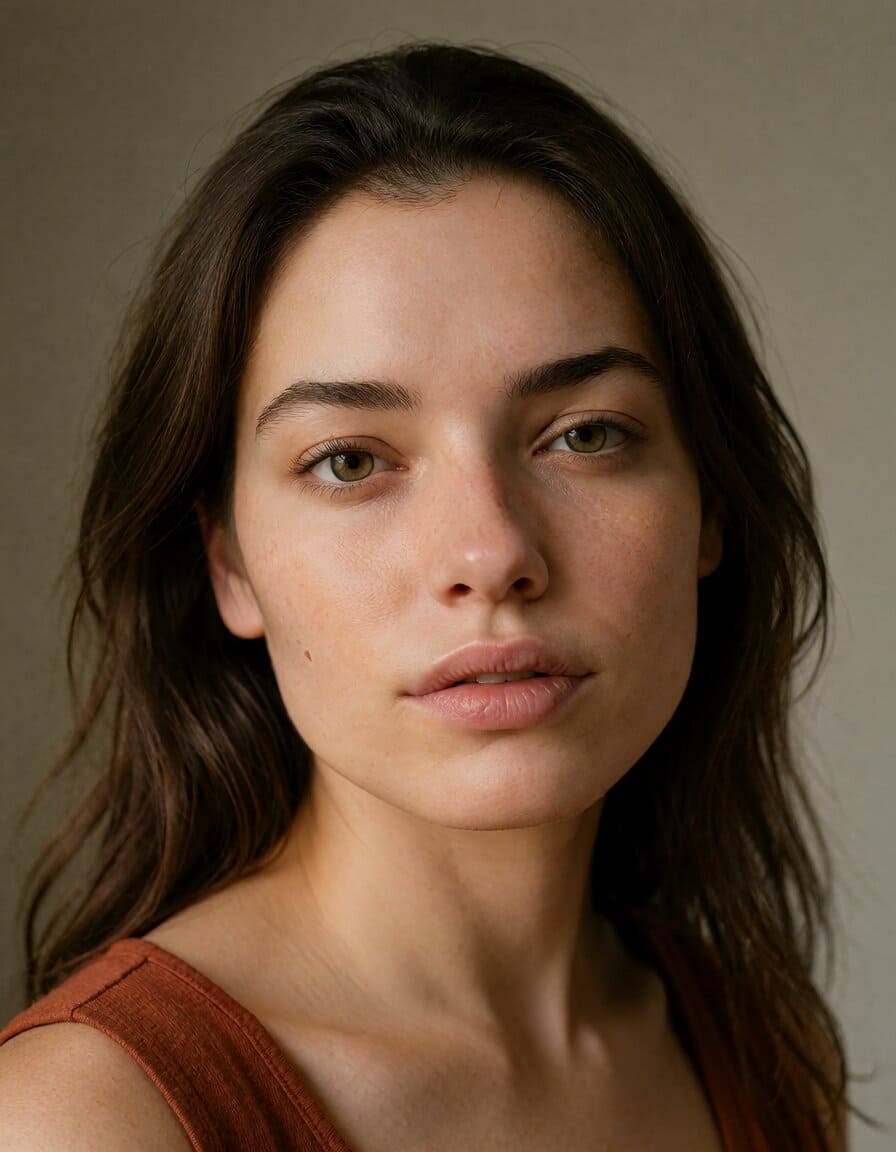
The face
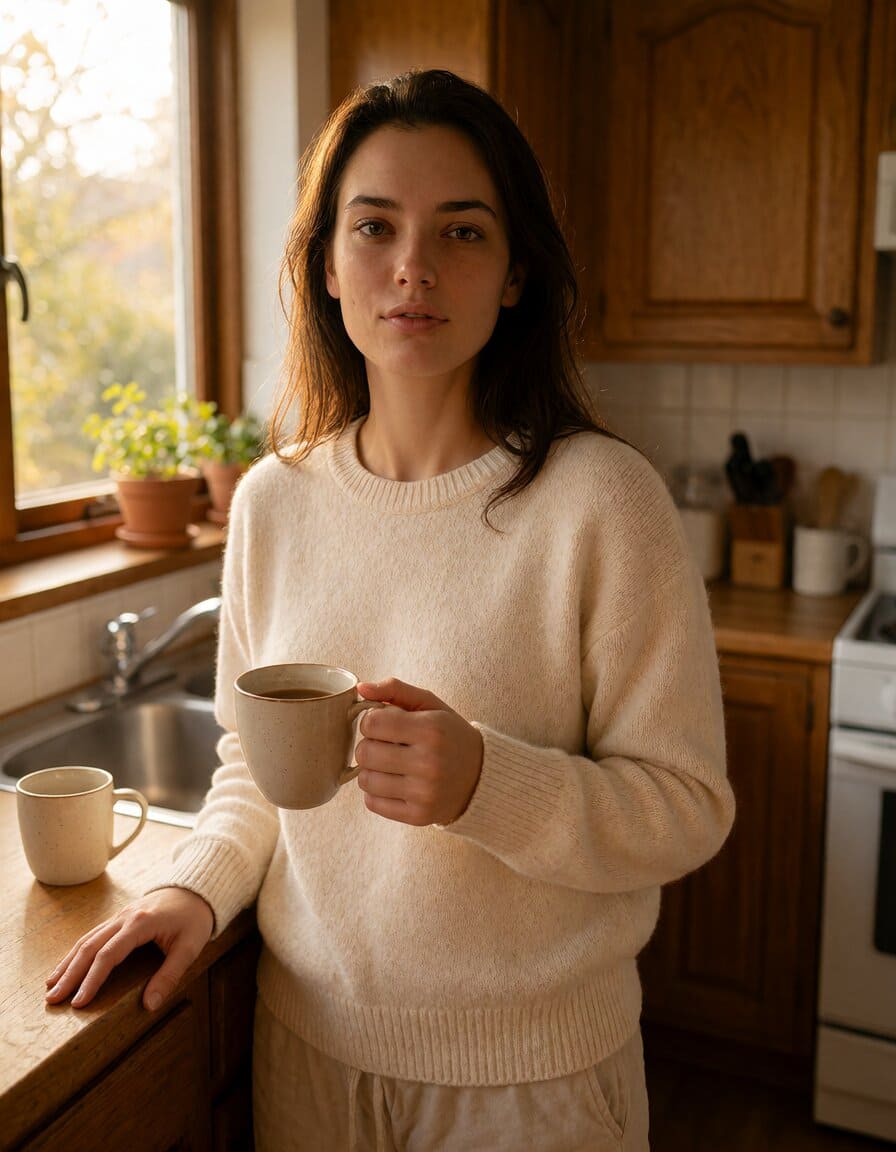
Morning by the window
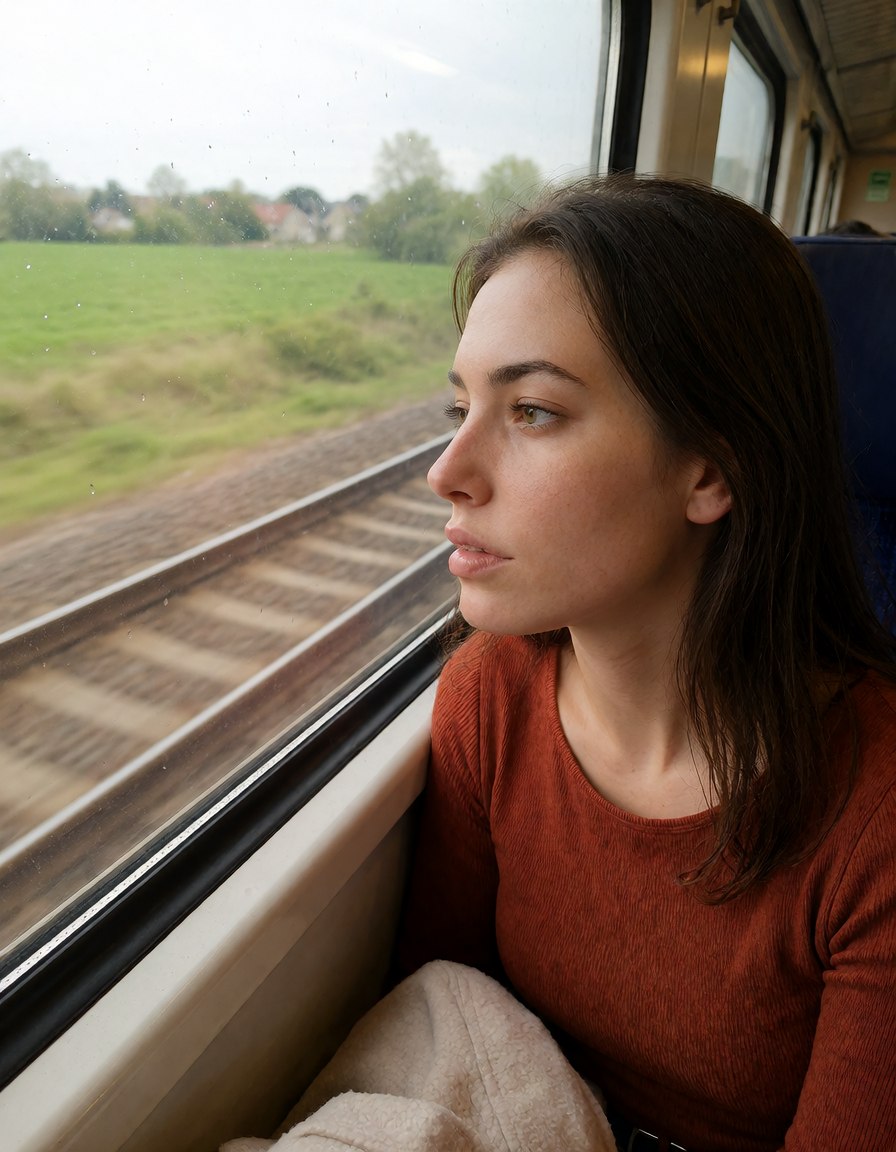
A slow train home
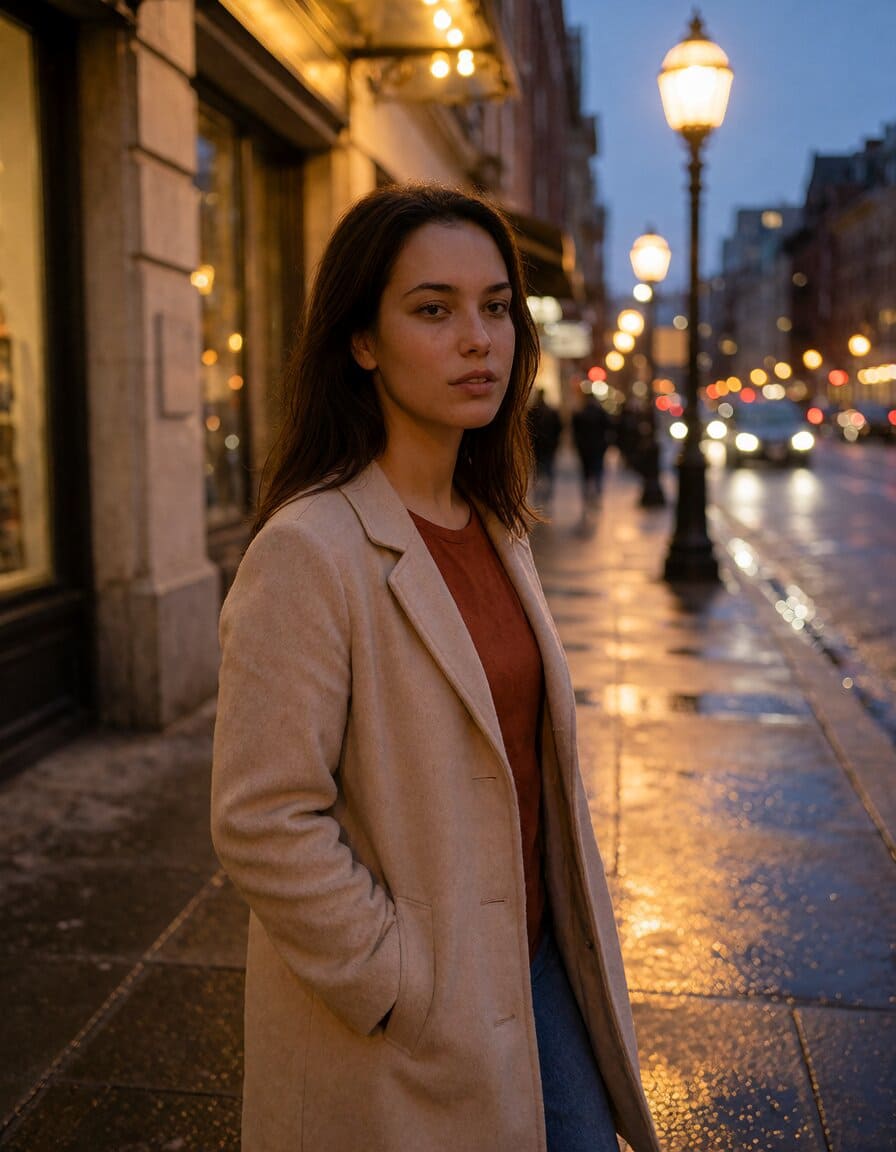
An evening walk
A consistent AI character is one whose face stays the same across generated images. In CraveMe, the portrait generated when you create a character becomes the face reference for every later image: the scene, the pose and the outfit change, the face does not.
Why faces drift from one picture to the next
Ask a typical image generator for “a woman with dark curly hair in a café” twice and you get two different women. Each picture is made from the words alone, and words leave room: the nose, the jaw, the distance between the eyes are all invented fresh every time.
In a chat that is a real problem. Someone you talk to for weeks needs to look like the same person at breakfast and at midnight. If the face keeps changing, the earlier photos stop meaning anything and the character feels like a series of strangers wearing the same name.
What stays fixed and what moves
| Stays the same | Changes with the conversation |
|---|---|
| Her face, built from the reference portrait you saved | The setting: a kitchen, a platform, a rooftop |
| The features you recognise at a glance | The composition and camera distance |
| Her look across every later picture | The pose and the mood of the moment |
Clothes, light and background are free to follow the scene. The face is the part you can count on.
Three series that show the idea
Ask for the same character across a run of scenes and the face becomes easy to check.
- A day in her life
- Breakfast by a window, a crowded tram, a late library table, a quiet kitchen at night.
- A weekend away
- A train platform, a seaside promenade, a restaurant terrace, a hotel balcony at dusk.
- Four seasons
- A snowy street, a spring market, a beach in July, a park in October leaves.
A simple test you can run yourself
Within your first conversation, ask for three pictures in places that look nothing alike. Put them side by side and compare the things that are hardest to fake: the shape of the eyes, the line of the eyebrows, the jaw and the smile. If those match, the reference is doing its job.
Try it again a week later. A face that held on the first evening should still hold after a hundred messages, because every new image goes back to the same reference instead of to the previous picture.
Getting the face you want locked in
Start from a clear portrait
A well-lit picture where the face is easy to read gives the generator the most to go on. What comes back resembles it only in broad strokes.
Judge the generated portrait
This is the face she will keep. If you are not happy with it, swap in a different inspiration photo before saving.
Save, then vary the scenes
After you save, that portrait becomes her permanent face reference, and every picture you request builds a new scene around it.
What a steady face does for a long conversation
Familiarity builds slowly. After a few weeks you know how she looks when she laughs, how she tilts her head in the café, which scarf she reaches for in winter. A steady face lets those small recognitions pile up, the way they do with anyone you see often.
It also changes what you ask for. Once you trust the face, requests turn from “show me someone” into “show me her, somewhere new”: a trip you are planning, a rainy Tuesday, a place from a story you made up together.
Questions about consistency
Is the face copied from my photo?
No. Your photo only points the way. What comes out is a newly made face, and that made-up face, not yours, is what gets kept.
Does it hold for automatic photos too?
Yes. Pictures that arrive on their own and those you request by hand use the same reference.
Can two characters share a face?
Each character gets a face of its own, so a second character means a second portrait and a second look.
What if I want a different face later?
Create a new character with a new inspiration portrait; the old one can stay as it is or be deleted.
Does the style change the face?
Realistic and anime characters each keep their own face in their own style.